


How the framework is organized
Ulex is presented as an open-source approach to organizing legal rules. Its public materials distinguish procedural, substantive and coordinating rules, with versions that can be compared and studied.
 Published sources: the framework draws on nongovernmental rule sets, including model acts and Restatements.
 Modular structure: the project explores how communities might select and combine rules.
 Open materials: readers can review the source repository and its published versions.
What the research explores
Tom W. Bell developed Ulex as a proposed framework for special jurisdictions and distributed communities. The research examines voluntary coordination and dispute resolution. A proposal’s suitability, enforceability and relationship to applicable law depend on the specific circumstances; this page does not establish legal authority to replace local law.
Project background
An earlier SSF and IDG initiative supported research and community-building around Ulex. Earlier application and bounty proposals are historical background, not current offers.

Read the source materials
- Explore the public Ulex repository
- Read Tom W. Bell’s 2020 Journal article on non-territorial governance
Historical project team graphic
This graphic records an earlier project presentation and is not confirmation of current roles or advisory-board membership.

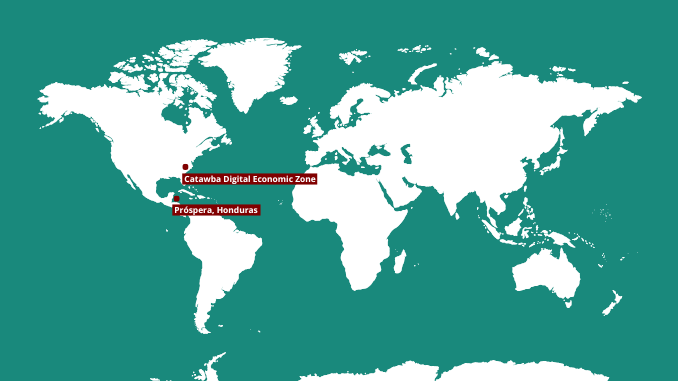
Illustrative project map
This historical graphic illustrates places discussed in the project materials. It is not a verified list of jurisdictions currently using Ulex.
Understanding the framework
The public repository distinguishes procedural rules, substantive rules and coordinating rules. Published versions differ. Consult the source materials for the version discussed in a paper or document rather than treating this overview as operative legal text.
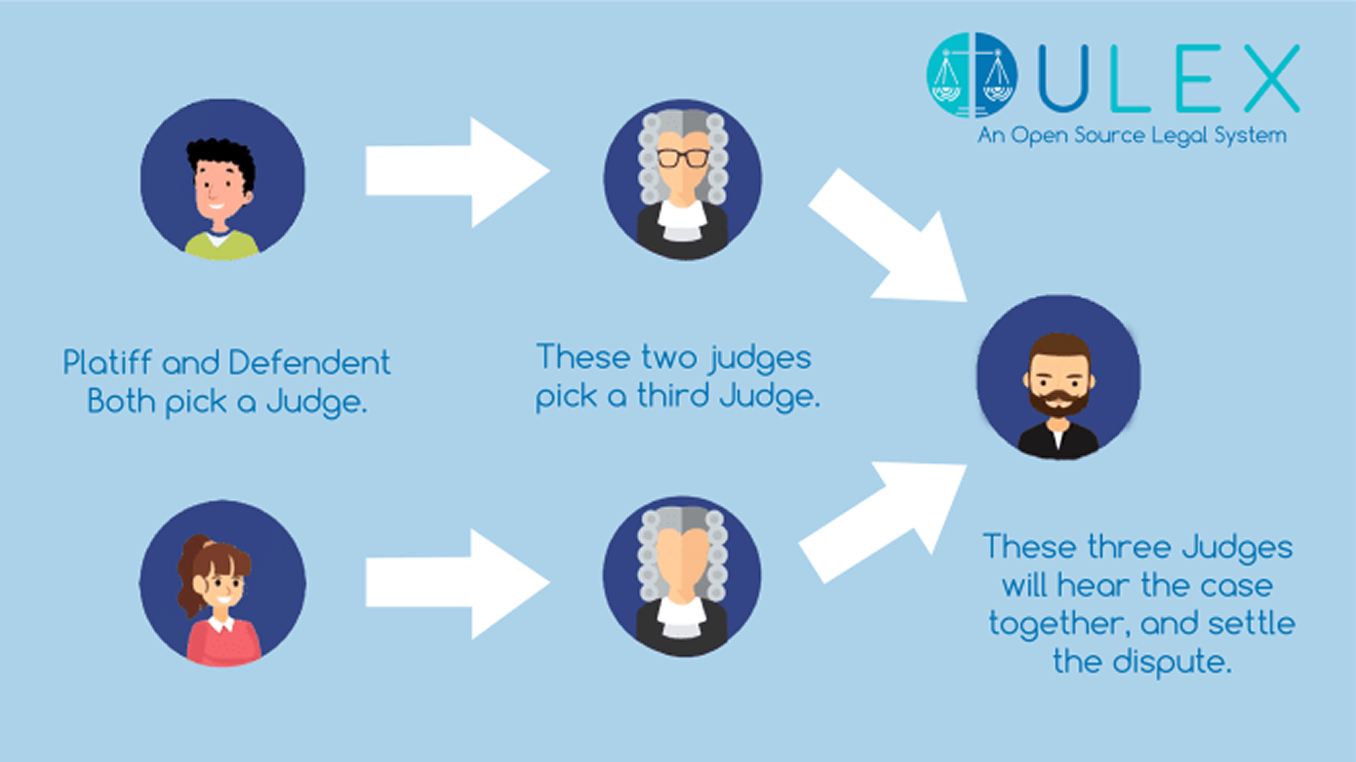
The diagram is an educational illustration from earlier project materials. It does not establish that a particular process is enforceable or suitable for a specific agreement or jurisdiction.